Category: Plumbing

  • How Do I Know If My Home Has a Hidden Water Leak?

    How Do I Know If My Home Has a Hidden Water Leak?

    Not every plumbing leak announces itself with a puddle on the floor.

    In fact, some of the most expensive leaks remain hidden for weeks—or even months—before homeowners realize there’s a problem.

    By the time visible damage appears, water may have already affected drywall, flooring, insulation, or even the home’s foundation.

    So how can you tell if a hidden leak is developing somewhere in your plumbing system?

    Here are some of the most common warning signs.

    Your Water Bill Suddenly Increases

    One of the earliest clues is often found on your monthly utility statement.

    If your water usage habits haven’t changed but your bill continues to climb, water may be escaping somewhere within the system.

    Even a small leak can waste thousands of gallons of water over time.

    You Hear Water When Nothing Is Running

    A quiet home can reveal important clues.

    Listen carefully for:

    • Hissing sounds
    • Dripping noises
    • Running water behind walls

    If you hear water movement while all fixtures are turned off, further investigation may be needed.

    Musty Odors Appear

    Persistent musty smells often indicate hidden moisture.

    Water trapped behind walls or under flooring creates an environment where mold and mildew can develop.

    Even if visible mold isn’t present, unusual odors should not be ignored.

    New Stains or Discoloration

    Watch for:

    • Ceiling stains
    • Bubbling paint
    • Warped flooring
    • Discolored drywall

    These symptoms often appear after moisture has been present for some time.

    The sooner they’re addressed, the less extensive repairs may become.

    Foundation and Slab Leak Warning Signs

    In Southern California, slab leaks are a common concern.

    Potential indicators include:

    • Warm spots on floors
    • Cracks in flooring
    • Unexplained moisture
    • Water pressure changes

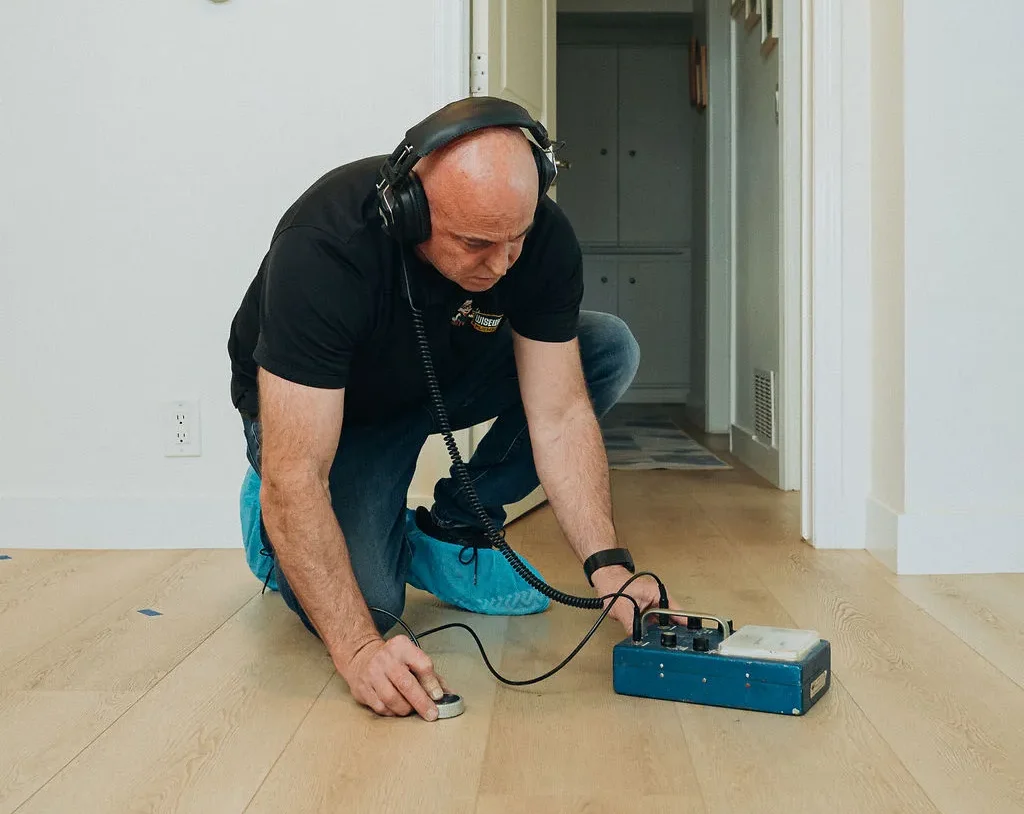
    Because these leaks occur beneath the home, specialized equipment is often required for accurate detection.

    Smart Leak Detection Technology

    Modern leak detection systems can provide an additional layer of protection.

    Many devices can:

    • Monitor water usage
    • Detect abnormal flow patterns
    • Send smartphone alerts
    • Automatically shut off water during major leaks

    These systems are becoming increasingly popular among homeowners who want early warning capabilities.

    A Simple Leak Test You Can Perform

    One easy test involves your water meter.

    1. Turn off all water-using fixtures.
    2. Avoid using water for several hours.
    3. Check the meter before and after.

    If the reading changes despite no water usage, a leak may be present.

    Frequently Asked Questions

    Can a small leak cause serious damage?

    Yes. Small leaks often go unnoticed longer, allowing damage to accumulate over time.

    Are slab leaks common?

    Certain regions and plumbing configurations are more susceptible, particularly older homes.

    Is leak detection expensive?

    Costs vary, but early detection is often far less expensive than repairing extensive water damage.

    Final Thoughts

    Hidden leaks can waste water, increase utility bills, and create costly property damage. Paying attention to subtle warning signs can help homeowners address problems before they become major repairs.

    To learn more about leak detection solutions, homeowners can visit Wiseway Plumbing, contact their team for assistance, or schedule a professional leak inspection if concerns arise.

  • Why Does My Water Pressure Keep Changing Throughout the Day?

    Why Does My Water Pressure Keep Changing Throughout the Day?

    Have you ever stepped into the shower expecting a relaxing experience, only to be greeted by a weak trickle of water?

    Or maybe the opposite happens—you turn on the faucet and suddenly feel like you’re standing under a pressure washer.

    Inconsistent water pressure is a surprisingly common plumbing complaint, and while occasional fluctuations are normal, significant changes often point to an underlying issue that deserves attention.

    Let’s explore some of the most common causes.

    Municipal Water Demand Can Affect Pressure

    Sometimes the problem isn’t inside your home at all.

    Water usage throughout your neighborhood changes throughout the day.

    Pressure may temporarily decrease during periods of high demand, such as:

    • Early mornings
    • Evenings
    • Hot summer days

    If fluctuations occur only during certain times, municipal supply conditions could be contributing.

    A Pressure Regulator May Be Failing

    Many homes have a pressure-reducing valve (PRV) installed where the water line enters the house.

    Its job is to maintain consistent water pressure.

    When the regulator begins to fail, homeowners may notice:

    • Sudden pressure spikes
    • Weak water flow
    • Inconsistent pressure between fixtures

    Because regulators wear out over time, they’re often overlooked until noticeable symptoms develop.

    Hidden Leaks Can Cause Pressure Drops

    Even a small plumbing leak can affect water pressure.

    Leaks may occur:

    • Behind walls
    • Under slabs
    • In crawl spaces
    • Underground

    Other warning signs often include higher water bills, damp areas, or the sound of running water when fixtures aren’t being used.

    Mineral Buildup Restricts Flow

    In areas with hard water, mineral deposits can accumulate inside pipes and fixtures.

    Over time, this buildup restricts water flow and may cause pressure problems.

    Common trouble spots include:

    • Showerheads
    • Faucet aerators
    • Supply lines
    • Water heaters

    Cleaning or replacing affected components may restore performance.

    Multiple Fixtures Running Simultaneously

    Sometimes the explanation is simple.

    Modern households often use water in multiple locations at once.

    Examples include:

    • Running the dishwasher during a shower
    • Laundry machines operating simultaneously
    • Irrigation systems turning on automatically

    If pressure issues occur only during periods of heavy usage, your plumbing system may simply be reaching its capacity.

    When Should You Investigate Further?

    Occasional fluctuations are normal.

    However, if pressure changes become frequent, severe, or are accompanied by other symptoms, further inspection may be warranted.

    Professional pressure testing can often identify issues before they lead to more significant plumbing problems.

    FAQs

    What is considered normal residential water pressure?

    Most homes operate comfortably between 40 and 60 PSI.

    Can high water pressure damage plumbing?

    Yes. Excessively high pressure can contribute to leaks, fixture damage, and premature wear on plumbing components.

    Should I test my water pressure?

    If you’re experiencing noticeable fluctuations, testing pressure can provide valuable information about potential causes.

    Final Thoughts

    Changing water pressure can stem from everything from municipal supply conditions to hidden leaks and failing pressure regulators. Understanding the cause is the first step toward protecting your plumbing system and maintaining reliable water flow throughout your home.

    Homeowners can learn more from Voyager Plumbing, contact their team for advice, or schedule a plumbing inspection if pressure issues continue to occur.