Category: Articles

  • How Do I Know If My Home Has a Hidden Water Leak?

    How Do I Know If My Home Has a Hidden Water Leak?

    Not every plumbing leak announces itself with a puddle on the floor.

    In fact, some of the most expensive leaks remain hidden for weeks—or even months—before homeowners realize there’s a problem.

    By the time visible damage appears, water may have already affected drywall, flooring, insulation, or even the home’s foundation.

    So how can you tell if a hidden leak is developing somewhere in your plumbing system?

    Here are some of the most common warning signs.

    Your Water Bill Suddenly Increases

    One of the earliest clues is often found on your monthly utility statement.

    If your water usage habits haven’t changed but your bill continues to climb, water may be escaping somewhere within the system.

    Even a small leak can waste thousands of gallons of water over time.

    You Hear Water When Nothing Is Running

    A quiet home can reveal important clues.

    Listen carefully for:

    • Hissing sounds
    • Dripping noises
    • Running water behind walls

    If you hear water movement while all fixtures are turned off, further investigation may be needed.

    Musty Odors Appear

    Persistent musty smells often indicate hidden moisture.

    Water trapped behind walls or under flooring creates an environment where mold and mildew can develop.

    Even if visible mold isn’t present, unusual odors should not be ignored.

    New Stains or Discoloration

    Watch for:

    • Ceiling stains
    • Bubbling paint
    • Warped flooring
    • Discolored drywall

    These symptoms often appear after moisture has been present for some time.

    The sooner they’re addressed, the less extensive repairs may become.

    Foundation and Slab Leak Warning Signs

    In Southern California, slab leaks are a common concern.

    Potential indicators include:

    • Warm spots on floors
    • Cracks in flooring
    • Unexplained moisture
    • Water pressure changes

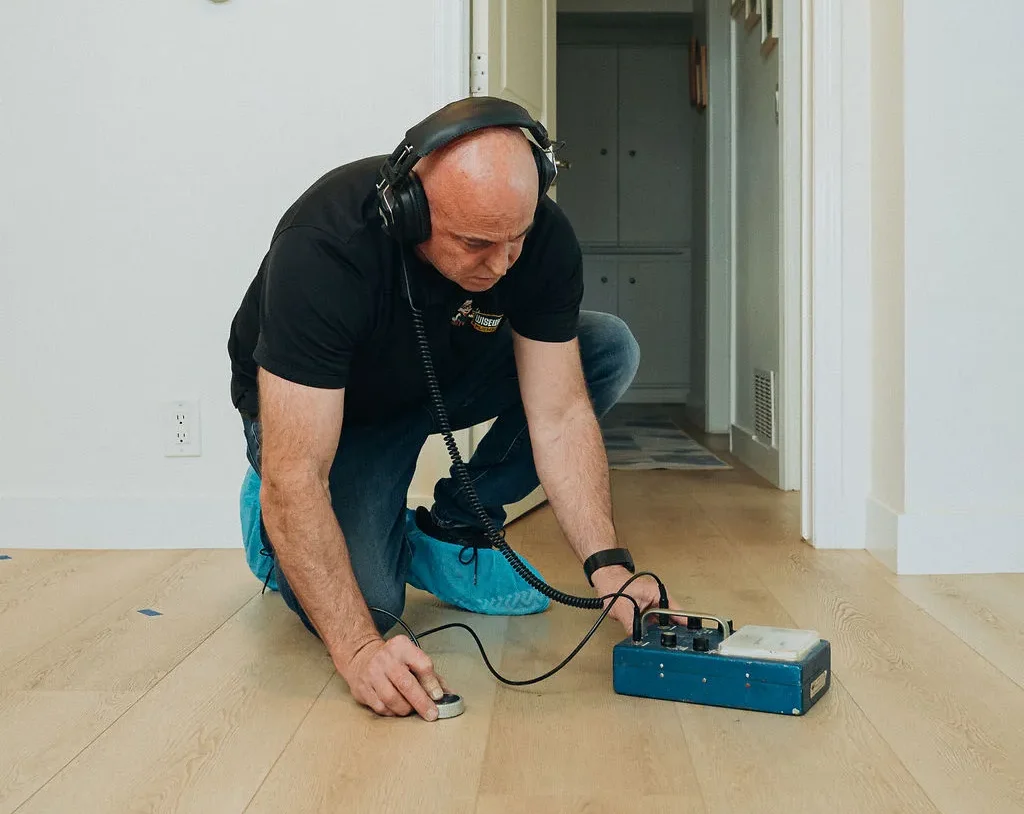
    Because these leaks occur beneath the home, specialized equipment is often required for accurate detection.

    Smart Leak Detection Technology

    Modern leak detection systems can provide an additional layer of protection.

    Many devices can:

    • Monitor water usage
    • Detect abnormal flow patterns
    • Send smartphone alerts
    • Automatically shut off water during major leaks

    These systems are becoming increasingly popular among homeowners who want early warning capabilities.

    A Simple Leak Test You Can Perform

    One easy test involves your water meter.

    1. Turn off all water-using fixtures.
    2. Avoid using water for several hours.
    3. Check the meter before and after.

    If the reading changes despite no water usage, a leak may be present.

    Frequently Asked Questions

    Can a small leak cause serious damage?

    Yes. Small leaks often go unnoticed longer, allowing damage to accumulate over time.

    Are slab leaks common?

    Certain regions and plumbing configurations are more susceptible, particularly older homes.

    Is leak detection expensive?

    Costs vary, but early detection is often far less expensive than repairing extensive water damage.

    Final Thoughts

    Hidden leaks can waste water, increase utility bills, and create costly property damage. Paying attention to subtle warning signs can help homeowners address problems before they become major repairs.

    To learn more about leak detection solutions, homeowners can visit Wiseway Plumbing, contact their team for assistance, or schedule a professional leak inspection if concerns arise.

  • What’s the Biggest Mistake Homeowners Make During a Bathroom Remodel?

    What’s the Biggest Mistake Homeowners Make During a Bathroom Remodel?

    Ask ten remodeling contractors this question and you’ll probably get ten different answers.

    Some will say poor budgeting. Others will point to unrealistic timelines or low-quality materials.

    But after thousands of bathroom remodels across the country, one mistake consistently causes more headaches than almost any other:

    Homeowners often focus on how a bathroom will look before considering how it will function.

    A beautiful bathroom is great. A beautiful bathroom that works well for your family is even better.

    Let’s look at some of the most common remodeling mistakes—and how to avoid them.

    Falling in Love With Photos Too Early

    It’s easy to spend hours browsing Pinterest, Instagram, and home improvement websites.

    The problem?

    Many homeowners start selecting colors, tile patterns, and fixtures before thinking about how they actually use their bathroom.

    Questions worth asking first include:

    • Do we need more storage?
    • Is the current shower large enough?
    • Would a double vanity be helpful?
    • Do we need better lighting?
    • Is accessibility important for future needs?

    Function should guide design—not the other way around.

    Ignoring Storage Needs

    Storage is one of the most frequently overlooked aspects of bathroom remodeling.

    A newly remodeled bathroom can look fantastic on day one, only to become cluttered within weeks because there isn’t enough room for everyday items.

    Popular storage upgrades include:

    • Built-in shower niches
    • Linen cabinets
    • Drawer organizers
    • Vanity towers
    • Recessed medicine cabinets

    Small improvements can make a dramatic difference in daily usability.

    Choosing Trends Over Longevity

    Trendy designs can be exciting, but bathroom remodels are long-term investments.

    Many homeowners later regret highly specific design choices that feel outdated after only a few years.

    That doesn’t mean your bathroom should be boring. It simply means balancing personal style with timeless design principles.

    Neutral foundations paired with easily replaceable accents often provide the best of both worlds.

    Underestimating the Importance of Lighting

    Lighting can completely transform a bathroom.

    Unfortunately, it’s often treated as an afterthought.

    A well-designed lighting plan should include multiple layers:

    Ambient Lighting

    Provides overall illumination.

    Task Lighting

    Helps with grooming, makeup application, and shaving.

    Accent Lighting

    Adds warmth and visual interest.

    Good lighting can make a bathroom feel larger, brighter, and more inviting.

    Forgetting About Ventilation

    Bathrooms generate a surprising amount of moisture.

    Without proper ventilation, that moisture can contribute to:

    • Mold growth
    • Peeling paint
    • Damaged drywall
    • Persistent odors

    A quality exhaust fan may not be the most exciting part of a remodel, but it can protect your investment for years to come.

    Trying to Save Money in the Wrong Places

    Every remodeling project has a budget.

    The challenge is knowing where savings make sense.

    For example:

    • Saving on decorative accessories is often reasonable.
    • Cutting corners on waterproofing usually isn’t.

    The systems hidden behind walls are often more important than the finishes everyone sees.

    FAQs

    What adds the most value during a bathroom remodel?

    Updated showers, modern vanities, quality lighting, and functional layouts are among the upgrades that homeowners tend to appreciate most.

    How long does a typical bathroom remodel take?

    Project timelines vary based on scope, material availability, and structural changes, but many renovations take several weeks from demolition to completion.

    Is a bathroom remodel worth the investment?

    For many homeowners, yes. Bathroom renovations can improve daily comfort, increase functionality, and enhance overall home value.

    Final Thoughts

    The most successful bathroom remodels strike a balance between beauty and practicality. While finishes and design trends matter, the best projects begin with thoughtful planning around how the space will actually be used every day.

    Homeowners considering a renovation can learn more about available options from Signature Bathroom Remodel, contact their team with questions, or schedule a consultation to discuss ideas for their space.

  • Why Does My Water Pressure Keep Changing Throughout the Day?

    Why Does My Water Pressure Keep Changing Throughout the Day?

    Have you ever stepped into the shower expecting a relaxing experience, only to be greeted by a weak trickle of water?

    Or maybe the opposite happens—you turn on the faucet and suddenly feel like you’re standing under a pressure washer.

    Inconsistent water pressure is a surprisingly common plumbing complaint, and while occasional fluctuations are normal, significant changes often point to an underlying issue that deserves attention.

    Let’s explore some of the most common causes.

    Municipal Water Demand Can Affect Pressure

    Sometimes the problem isn’t inside your home at all.

    Water usage throughout your neighborhood changes throughout the day.

    Pressure may temporarily decrease during periods of high demand, such as:

    • Early mornings
    • Evenings
    • Hot summer days

    If fluctuations occur only during certain times, municipal supply conditions could be contributing.

    A Pressure Regulator May Be Failing

    Many homes have a pressure-reducing valve (PRV) installed where the water line enters the house.

    Its job is to maintain consistent water pressure.

    When the regulator begins to fail, homeowners may notice:

    • Sudden pressure spikes
    • Weak water flow
    • Inconsistent pressure between fixtures

    Because regulators wear out over time, they’re often overlooked until noticeable symptoms develop.

    Hidden Leaks Can Cause Pressure Drops

    Even a small plumbing leak can affect water pressure.

    Leaks may occur:

    • Behind walls
    • Under slabs
    • In crawl spaces
    • Underground

    Other warning signs often include higher water bills, damp areas, or the sound of running water when fixtures aren’t being used.

    Mineral Buildup Restricts Flow

    In areas with hard water, mineral deposits can accumulate inside pipes and fixtures.

    Over time, this buildup restricts water flow and may cause pressure problems.

    Common trouble spots include:

    • Showerheads
    • Faucet aerators
    • Supply lines
    • Water heaters

    Cleaning or replacing affected components may restore performance.

    Multiple Fixtures Running Simultaneously

    Sometimes the explanation is simple.

    Modern households often use water in multiple locations at once.

    Examples include:

    • Running the dishwasher during a shower
    • Laundry machines operating simultaneously
    • Irrigation systems turning on automatically

    If pressure issues occur only during periods of heavy usage, your plumbing system may simply be reaching its capacity.

    When Should You Investigate Further?

    Occasional fluctuations are normal.

    However, if pressure changes become frequent, severe, or are accompanied by other symptoms, further inspection may be warranted.

    Professional pressure testing can often identify issues before they lead to more significant plumbing problems.

    FAQs

    What is considered normal residential water pressure?

    Most homes operate comfortably between 40 and 60 PSI.

    Can high water pressure damage plumbing?

    Yes. Excessively high pressure can contribute to leaks, fixture damage, and premature wear on plumbing components.

    Should I test my water pressure?

    If you’re experiencing noticeable fluctuations, testing pressure can provide valuable information about potential causes.

    Final Thoughts

    Changing water pressure can stem from everything from municipal supply conditions to hidden leaks and failing pressure regulators. Understanding the cause is the first step toward protecting your plumbing system and maintaining reliable water flow throughout your home.

    Homeowners can learn more from Voyager Plumbing, contact their team for advice, or schedule a plumbing inspection if pressure issues continue to occur.

  • Why Isn’t My Website Generating Leads Even Though It Ranks on Google?

    Why Isn’t My Website Generating Leads Even Though It Ranks on Google?

    One of the most common frustrations business owners experience is seeing their website appear on Google while their phone remains silent.

    The assumption is understandable: rankings should equal leads.

    Unfortunately, that’s not always how modern search works.

    Today’s search results include maps, ads, AI-generated answers, featured snippets, videos, FAQs, and dozens of competing distractions.

    So if you’re getting visibility but not conversions, here are several possible reasons.

    You’re Ranking for the Wrong Searches

    Traffic isn’t the goal.

    Qualified traffic is.

    Many websites rank for informational searches that attract visitors who aren’t ready to hire a company.

    For example, someone searching “how does garage door insulation work” may simply be researching.

    Someone searching “garage door installation company near me” is much closer to becoming a customer.

    Your Website Doesn’t Build Trust Quickly

    Visitors make judgments within seconds.

    Missing trust signals often include:

    • Reviews
    • Team photos
    • Local credentials
    • Before-and-after projects
    • Guarantees

    Without trust, visitors leave.

    Your Calls to Action Are Weak

    Many websites hide phone numbers, bury contact forms, or use vague buttons like “Learn More.”

    Visitors need clear next steps.

    AI Overviews Are Changing User Behavior

    Many searchers now receive answers directly within Google.

    That means businesses must optimize not only for rankings but also for visibility within AI-generated search experiences.

    FAQs

    Can a website rank well and still perform poorly?

    Absolutely. Rankings measure visibility. Leads measure business results.

    What matters more: traffic or conversions?

    Conversions. A smaller number of qualified visitors often outperforms large amounts of irrelevant traffic.

    Does SEO still work?

    Yes—but modern SEO requires a focus on user experience, trust, and conversion optimization.

    Final Thoughts

    Ranking is only one piece of the puzzle. Businesses that combine SEO, user experience, conversion optimization, and local authority typically generate significantly more leads from the same amount of traffic.

    Learn more at Contento Interactive Group, contact the team with questions, or request a strategy consultation online.

  • Why Does My Garage Door Open a Few Inches Then Stop? Common Causes Homeowners Should Know

    Why Does My Garage Door Open a Few Inches Then Stop? Common Causes Homeowners Should Know

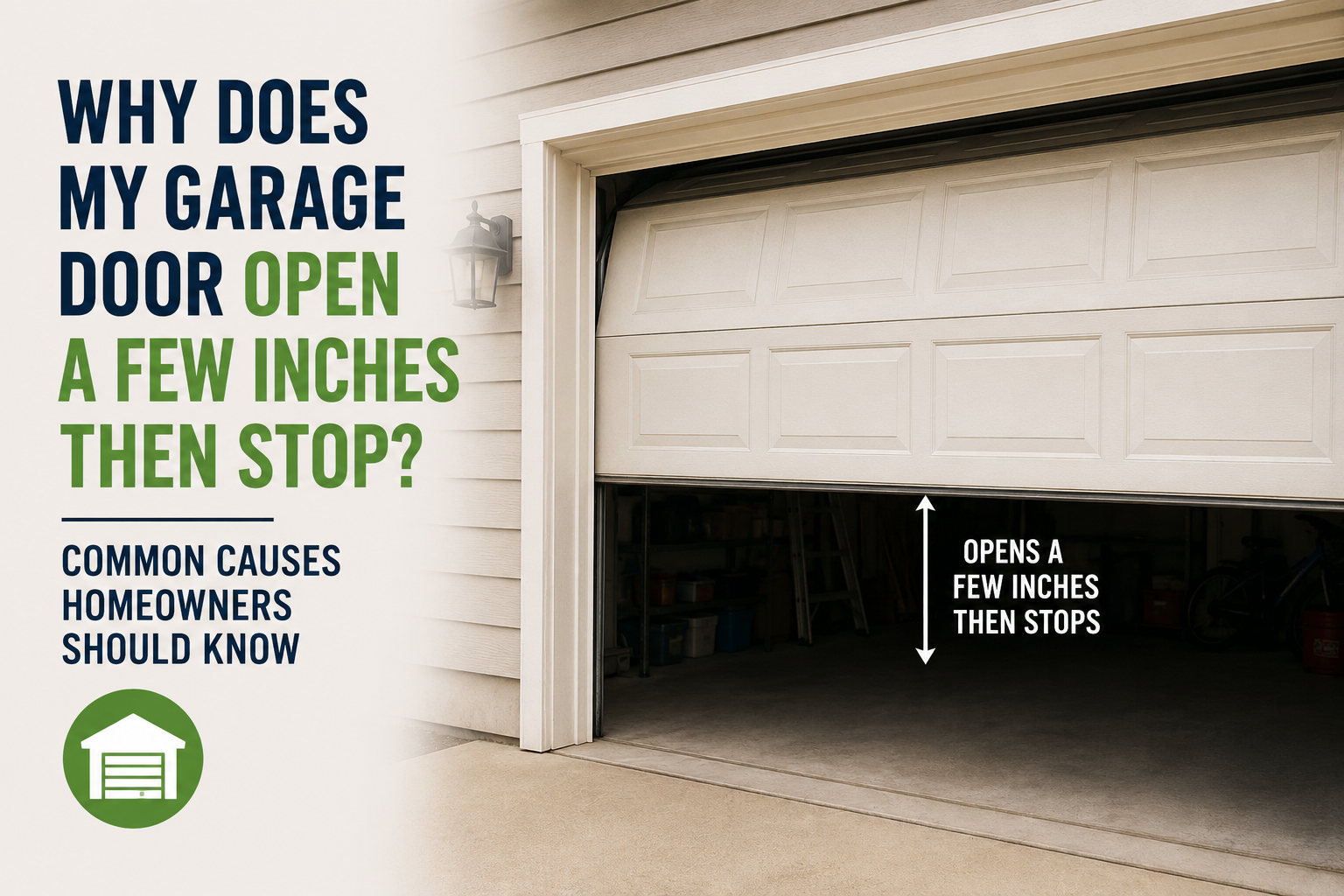
    Few things are more frustrating than pressing your garage door opener and watching the door move just a few inches before stopping. For many homeowners, this problem seems to appear suddenly, often when they’re rushing to leave for work or trying to get inside after a long day.

    The good news is that a garage door that only opens a few inches is usually showing clear warning signs of an underlying issue. Understanding what those signs mean can help you determine whether it’s a simple adjustment or a problem that requires professional attention.

    The Most Common Reason: A Broken Garage Door Spring

    In many cases, the culprit is a broken garage door spring.

    Garage door springs are responsible for carrying most of the door’s weight. When a spring breaks, the opener is suddenly forced to lift a door that may weigh hundreds of pounds on its own. Most modern openers are designed to stop when they encounter this level of resistance.

    If your garage door opens a few inches and then immediately reverses or stops, inspect the springs above the door. Homeowners often notice a visible gap in the spring when it has broken.

    Because garage door springs are under extreme tension, repairs should always be performed by a trained technician.

    Your Safety Sensors Could Be Detecting an Obstruction

    Garage door safety sensors are designed to prevent the door from closing on a person, pet, or object. However, dirty, damaged, or misaligned sensors can sometimes create unexpected door movement issues.

    Check for:

    • Dirt or debris covering the sensor lenses
    • Bent sensor brackets
    • Loose wiring
    • Objects blocking the beam

    While sensor problems are more commonly associated with doors that won’t close, they can occasionally contribute to unusual operating behavior depending on the opener system.

    Damaged Rollers or Bent Tracks

    Garage doors rely on rollers moving smoothly through tracks. If a roller becomes damaged or a track becomes bent, the door may bind during operation.

    Signs of a track or roller issue include:

    • Grinding noises
    • Jerky movement
    • Visible track damage
    • Door sections appearing uneven

    When the opener senses excessive resistance, it may stop automatically to prevent further damage.

    Opener Force Settings May Need Adjustment

    Garage door openers include force and travel limit settings that control how much resistance the motor will tolerate.

    If these settings become incorrect, the opener may interpret normal operation as an obstruction and stop prematurely.

    While some homeowners attempt DIY adjustments, improper settings can create safety risks. If you’re unsure whether the limits are set correctly, professional calibration is often the safest solution.

    The Door May Be Out of Balance

    A properly functioning garage door should remain relatively balanced when disconnected from the opener.

    An unbalanced door places additional strain on every component in the system, including:

    • Springs
    • Cables
    • Rollers
    • Hinges
    • Opener motor

    If your door feels unusually heavy when operated manually, there may be an underlying balance issue that needs attention.

    Cold Weather Can Make Existing Problems Worse

    In areas like Buffalo and Western New York, seasonal temperature changes can affect garage door performance.

    Cold temperatures can:

    • Cause metal components to contract
    • Increase friction on moving parts
    • Thicken lubricants
    • Expose aging springs and rollers

    Many homeowners first notice garage door problems during the winter months when existing wear becomes more apparent.

    When Should You Call a Professional?

    If your garage door repeatedly stops after opening only a few inches, it’s generally best to avoid forcing the system to operate.

    Continuing to use a malfunctioning door can lead to additional damage and potentially create safety hazards.

    A qualified technician can inspect the entire system, identify the root cause, and recommend the most cost-effective repair solution.

    For homeowners in Western New York, the team at 716 Garage Door Repair provides garage door inspections, spring replacement, opener repairs, and emergency service throughout the Buffalo area. You can learn more about their services on their homepage, contact their team directly for assistance, or schedule an appointment online if your garage door is no longer operating properly.

    Don’t Delay

    A garage door that opens a few inches and stops is often warning you that something isn’t functioning correctly. Broken springs, track issues, opener settings, and balance problems are among the most common causes.

    Addressing the issue early can help prevent more expensive repairs and keep your garage door operating safely and reliably for years to come.